Spring: The Prime Riding Season (March to May)
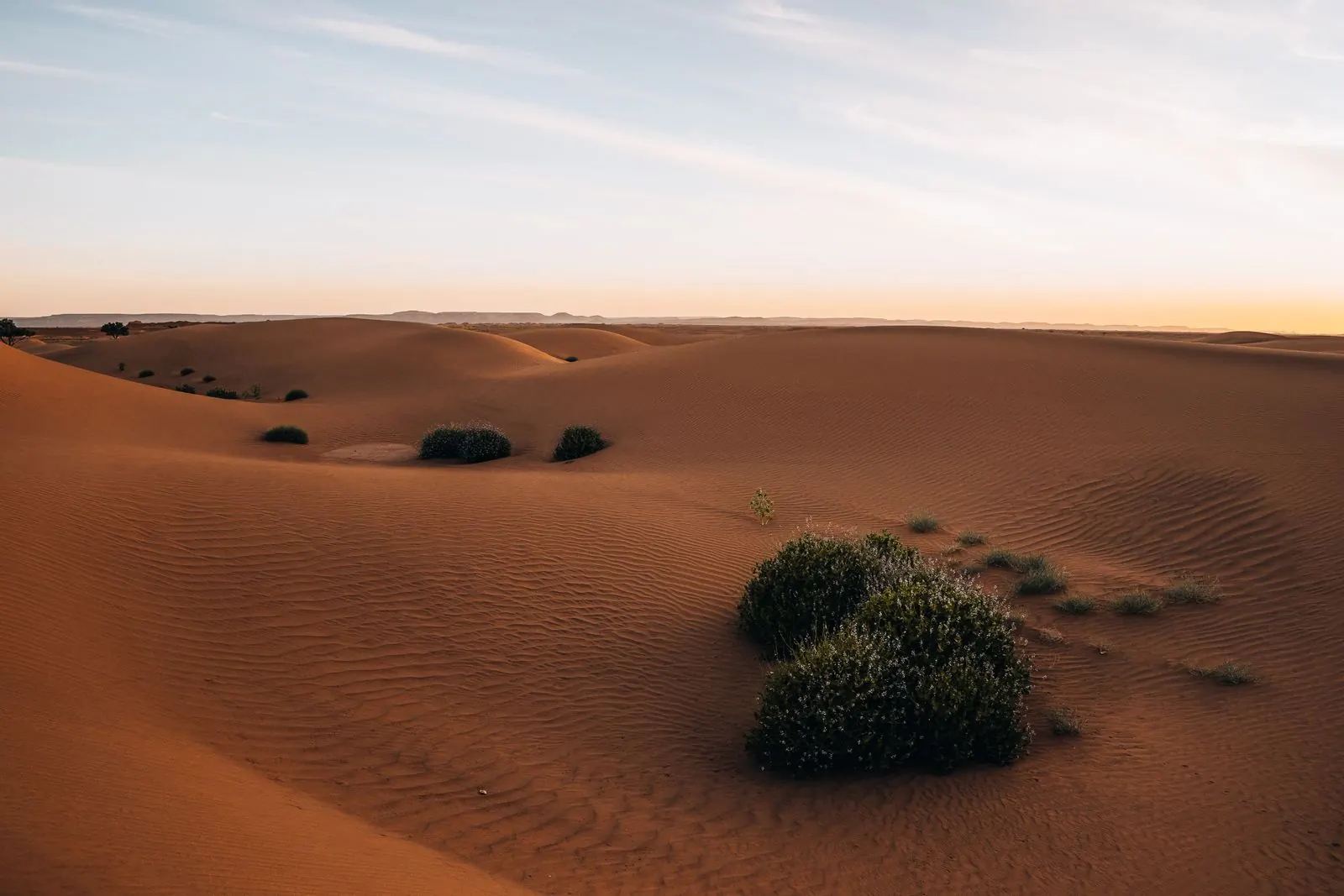
Spring is widely considered the peak season for enduro riding in Morocco. From March through May, the temperatures are generally mild, ranging from 20°C to 30°C during the day. This provides the perfect balance for long hours in the saddle without the risk of extreme heat exhaustion. The desert landscape also comes alive during this time, with occasional blooms of wildflowers following the winter rains, creating a stunning contrast against the orange dunes of Erg Chebbi.
However, spring can also bring the 'sirocco' winds, which can result in occasional sandstorms. While these are usually brief, they can affect visibility and add an extra layer of challenge to the riding. Despite this, the sand conditions are often excellent—the winter moisture makes the dunes slightly firmer and easier to navigate than in the height of summer. It is a time when the desert is at its most vibrant and welcoming for riders of all skill levels.
Autumn: Ideal Conditions and Clear Skies (October to November)
Following the intense heat of the summer, autumn offers another fantastic window for desert exploration. Starting in October, the temperatures begin to drop to a manageable level, and the air becomes incredibly clear. This clarity provides some of the best visibility for navigation and photography, with the Atlas Mountains often visible in the distance. The days are still warm and sunny, but the nights become pleasantly cool, making the evening bivouacs under the stars truly magical.
During autumn, the sand is typically very dry and soft, which can make the dune sections more technical and physically demanding. This is a great time for experienced riders who want to test their sand skills in 'classic' Sahara conditions. The lack of wind during this period also means that the tracks left by other vehicles are often visible, making navigation slightly more straightforward for those new to the area. It is a season of stability and stunning desert light.
Winter: Crisp Days and Cold Nights (December to February)
Riding the Sahara in winter is a unique experience that requires a bit more preparation. The daytime temperatures are often perfect for high-intensity enduro riding, usually hovering around 15°C to 20°C. You won’t overheat while working the bike through the dunes, which allows for longer, more continuous riding sessions. The sky is often a deep, piercing blue, and the low sun casts long shadows that make the terrain features pop, aiding in reading the dunes.
The biggest challenge in winter is the temperature drop once the sun goes down. It is not uncommon for temperatures to dip toward freezing at night, especially in the open desert. Riders need to bring appropriate thermal layers for the evenings and early mornings. Additionally, the days are shorter, meaning we have a slightly smaller window of daylight for riding. For those who enjoy the crisp, fresh air and don’t mind the cold nights, winter can be an exceptionally rewarding time to visit.
Summer: The Time to Avoid (June to September)
We generally do not recommend or operate full-scale enduro expeditions during the height of the summer. From June to September, temperatures in the Sahara can regularly exceed 45°C (113°F). At these levels, the physical exertion of enduro riding becomes dangerous, with a very high risk of heatstroke and severe dehydration. The sand also becomes extremely hot and incredibly soft, making it difficult for both the riders and the KTM enduro fleet bikes to perform at their best.
Even for the most fit and experienced riders, the Sahara summer is simply too punishing for a multi-day tour. The equipment also suffers, with tyres wearing out faster and engines running much hotter than usual. If you are planning a trip to Morocco during these months, we suggest focusing on the coastal regions or the high Atlas Mountains, where the temperatures are more moderate. The desert will always be there, waiting for the cooler breezes of autumn to return.
Frequently asked questions
What is the absolute best month for an enduro tour?
April and October are generally considered the best months. They offer the most stable weather, comfortable temperatures, and excellent riding conditions across both the dunes and the desert plateaus.
Does it rain much in the Sahara?
Rain is rare but can happen, especially in late winter and early spring. When it does rain, it can transform the desert overnight, but it usually passes quickly and rarely disrupts our riding schedule for more than a few hours.