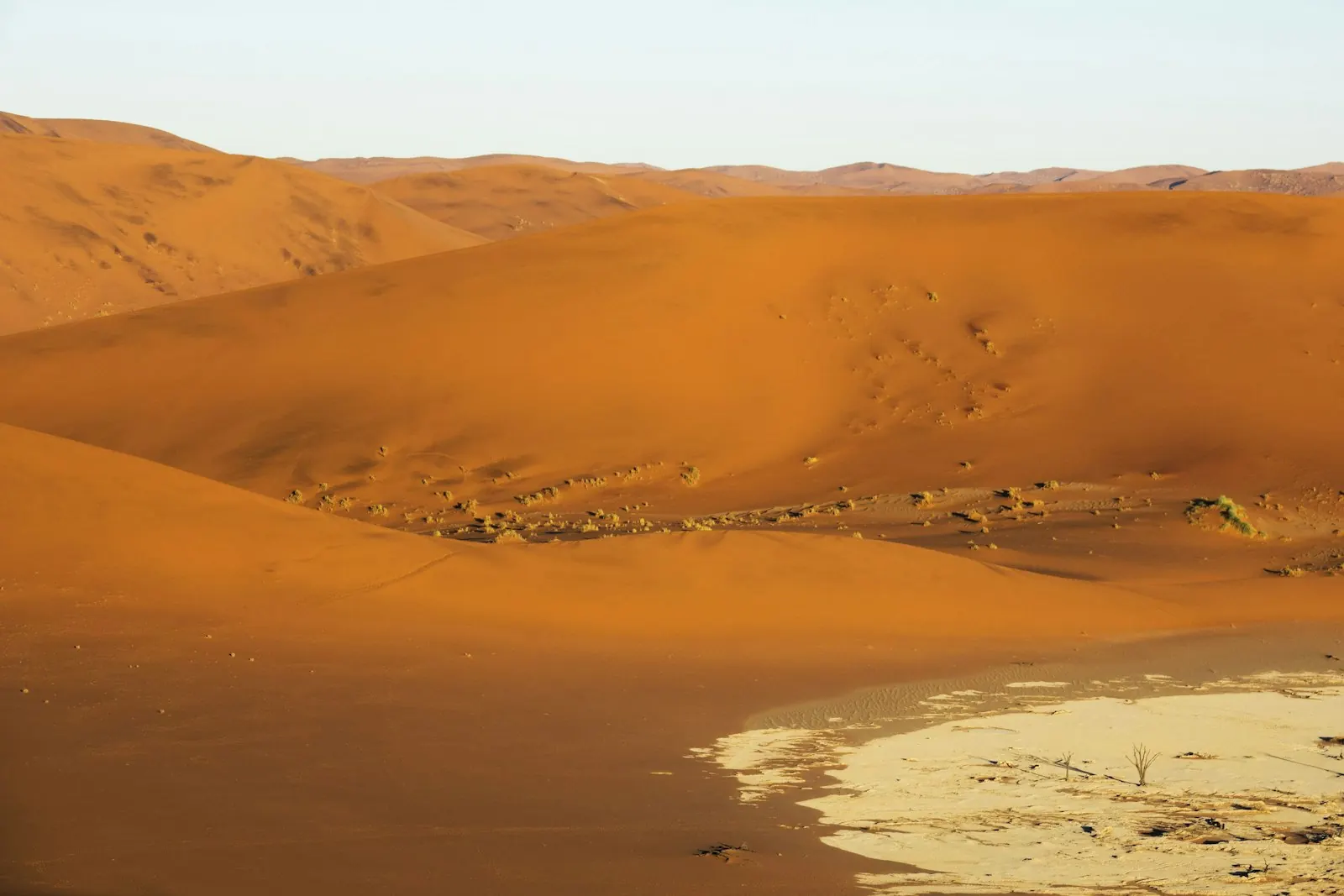
Mastering the Desert Light
The 'Golden Hour'—the time just after sunrise and just before sunset—is your best friend in the desert. During these times, the low angle of the sun creates long shadows that emphasize the texture and shape of the dunes. The light is warm and soft, avoiding the harsh, flat look of the midday sun. If you are on an enduro tour, these are the times when the landscape looks its most dramatic, and the colors of the sand shift through a stunning range of oranges, reds, and purples.
Midday sun in the Sahara can be incredibly bright, causing high contrast and washed-out colors. If you must shoot at this time, try to find interesting details or use the bright light to create high-key, minimalist compositions. Using a circular polarizing filter can help reduce glare and make the blue of the sky pop against the golden sand. Remember that the desert reflects a lot of light, so you may need to underexpose slightly to preserve the details in the brightest parts of the dunes.
Capturing Action: Riding the Dunes
Photographing motorcycles in motion requires a different set of skills. To capture the speed and energy of our KTM enduro fleet, try using a faster shutter speed to freeze the action, especially the 'rooster tails' of sand kicked up by the rear tire. Conversely, a slower shutter speed combined with a panning motion can create a sense of dynamic speed, blurring the background while keeping the rider sharp. Both techniques offer a great way to convey the thrill of desert riding.
Positioning is key for action shots. Look for high points or corners where the rider will be framed against the sky or a particularly impressive dune. Always prioritize safety; make sure you are in a visible and secure spot where the rider won’t have to change their line to avoid you. Capturing the rider’s perspective using a helmet-mounted camera like a GoPro is also a fantastic way to record the experience, providing an immersive view of what it’s actually like to navigate the Saharan terrain.
Protecting Your Gear from the Sand
The biggest enemy of electronics in the Sahara is the sand. It is incredibly fine and can find its way into every crevice of your camera and lenses. Avoid changing lenses in the open desert; if you must, do it inside a bag or a vehicle. Using a 'UV' or 'Protector' filter on the front of your lens is a cheap way to prevent the sand from scratching the expensive glass. A simple plastic rain cover can also provide an effective barrier against wind-blown dust during a ride.
After a day in the dunes, use a blower brush or a soft cloth to carefully clean your gear. Never rub the lens if there is visible sand on it, as this can cause scratches. Storing your camera in a sealed, dust-proof bag when not in use is the best way to keep it safe. Despite the challenges, the results are worth the effort. There is nothing like a well-captured photo of a lone rider on a vast dune to remind you of the incredible scale and beauty of your Moroccan Sahara expedition.
Frequently asked questions
What is the best lens for desert photography?
A versatile zoom lens (like a 24-70mm) is usually best to avoid frequent lens changes in the sand.
How do I take good photos at night?
You will need a tripod and a long exposure setting to capture the stars; the desert is dark enough for incredible astrophotography.
Is it safe to bring an expensive camera on an enduro tour?
Yes, provided you have a good, padded, and dust-proof bag to protect it while riding.