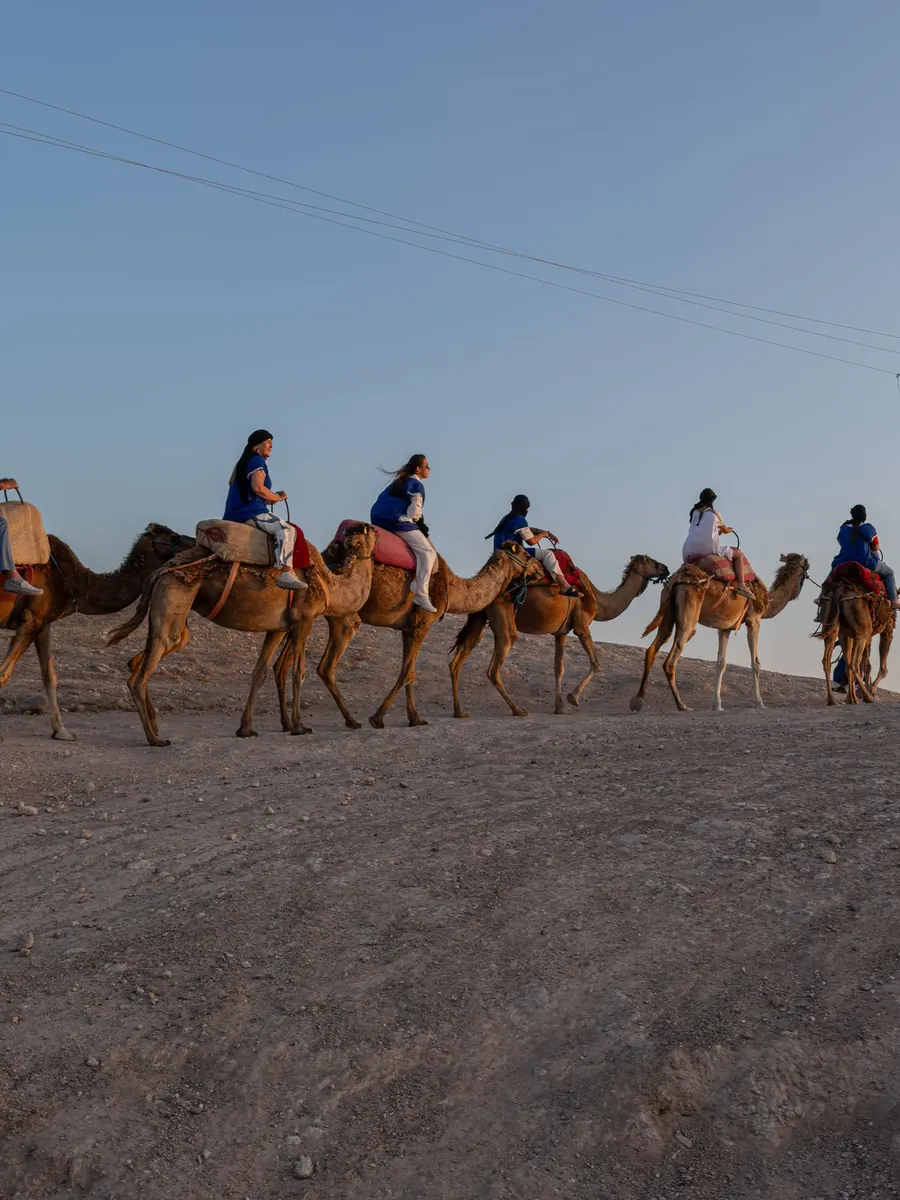
Visas and Entry Requirements
For many international travellers, including citizens of the EU, USA, Canada, and Australia, Morocco offers visa-free entry for tourism for up to 90 days. You will simply need a passport that is valid for at least six months from your date of entry. However, it is always wise to check the latest requirements from the Moroccan consulate in your home country before you travel. Upon arrival, you will receive a stamp in your passport, and you may be asked for the address of your first night’s accommodation.
If you are bringing your own motorcycle, the process is more complex. You will need to provide proof of ownership, insurance that covers Morocco (the 'Green Card'), and you will receive a temporary import permit for the vehicle. For most of our guests, using our KTM enduro fleet simplifies this significantly, as we handle all vehicle-related paperwork. All you need to do is arrive with your personal documents ready, and we take care of the rest so you can focus on the riding.
Money and Currency Exchange
The official currency is the Moroccan Dirham (MAD). It is a restricted currency, meaning you can only obtain it inside the country. You can exchange major currencies like Euros, US Dollars, or British Pounds at airports, banks, and exchange offices in cities. ATMs are widely available in towns like Errachidia, Ouarzazate, and even Merzouga, and they are usually the most convenient way to get cash. Credit cards are accepted in larger hotels and shops, but for local markets and small villages, cash is king.
Tipping is a common practice in Morocco and is always appreciated for good service. It is helpful to keep a supply of small coins and notes for this purpose. When you are on a multi-day tour like the sahara-enduro-expedition-6-days, we handle most of the major costs, but you will still want some cash for personal purchases, drinks, or tips for the local staff. Informing your bank of your travel plans beforehand will prevent your cards from being blocked due to 'unusual activity' in North Africa.
Connectivity and Communication
Staying connected in Morocco is relatively easy and affordable. You can purchase a local SIM card (Maroc Telecom, Orange, or Inwi) at the airport or in most towns for a few dollars. Data plans are cheap and offer surprisingly good coverage, even in many parts of the desert. However, once you head deep into the dunes or remote mountain passes, signal will be intermittent or non-existent. This is part of the appeal of the desert—the chance to truly disconnect from the digital world.
In Merzouga and at most established hotels, Wi-Fi is standard and generally reliable enough for basic browsing and messaging. If you need to stay in touch for emergencies during your tour, our support teams carry satellite communication devices for safety. Learning a few words of French or Arabic can also be incredibly helpful, as while English is widely spoken in tourist areas, local communication often relies on these two languages. A friendly 'Salam Alaykum' goes a long way everywhere you go.
Frequently asked questions
Can I use my phone's roaming in Morocco?
You can, but it is often very expensive. Buying a local SIM card is much more cost-effective.
Are there ATMs in Merzouga?
Yes, there are a few ATMs in the village, but it is always good to have some cash on hand before you arrive.
Is English widely spoken?
In tourism, yes. In rural areas, French and Arabic are more common.