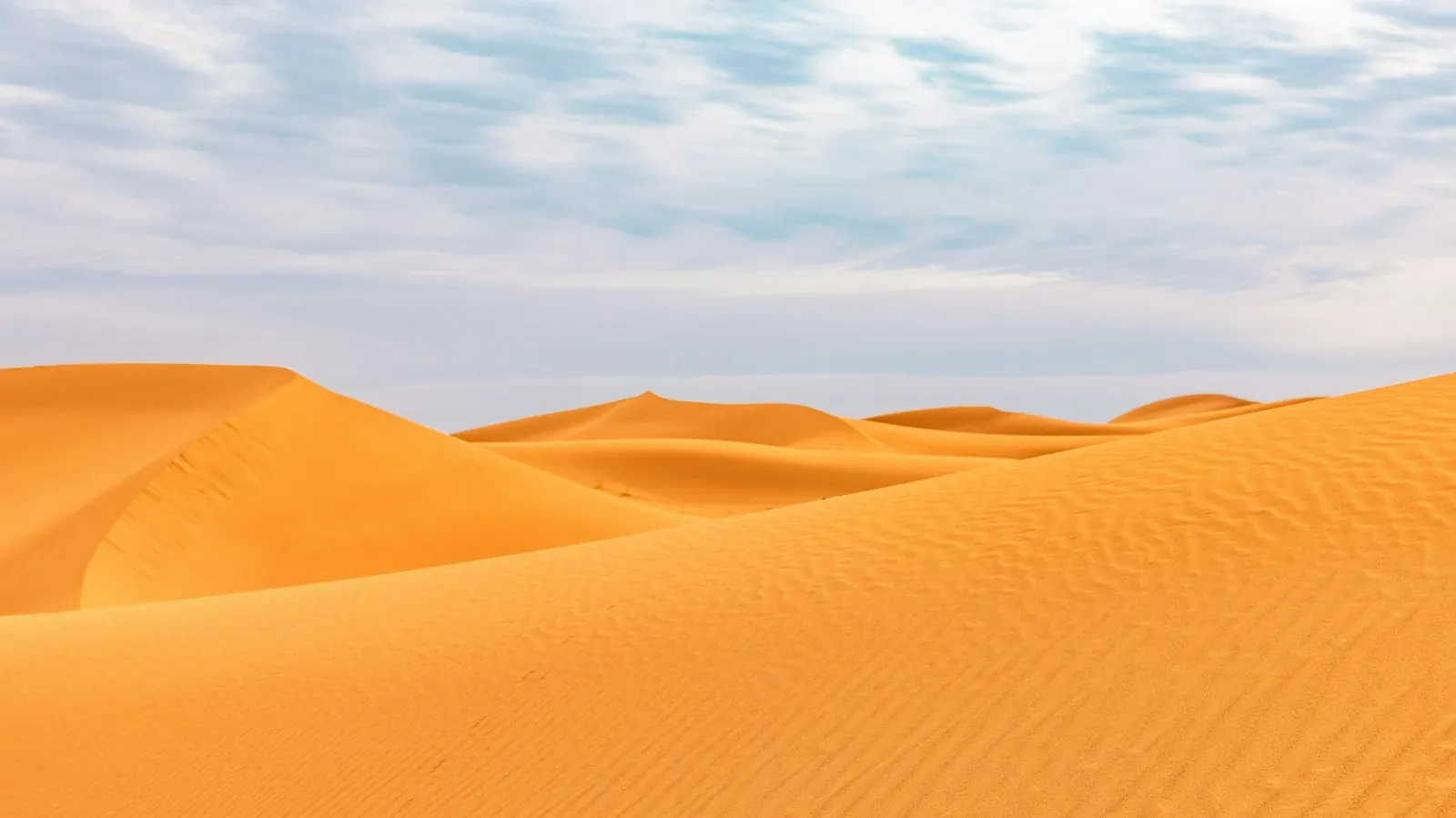
A Prehistoric Ocean
Hundreds of millions of years ago, what is now the Sahara Desert was part of a vast, thriving marine environment. The region around Erfoud was home to an incredible array of sea life, including trilobites, cephalopods, and ancient shellfish. As these organisms died and were buried in the sediment, they were preserved, slowly turning into stone over eons of geological time.
Today, these fossil beds are among the richest in the world. When you visit the workshops in Erfoud, you can see these prehistoric treasures being unearthed and polished, revealing intricate details of life that existed long before the Sahara became a desert. It is an extraordinary experience to hold a piece of earth that is older than the mountains themselves.
The Trilobites of Alnif
Alnif is legendary among fossil enthusiasts for its extraordinary trilobite specimens. These extinct marine arthropods are highly prized by collectors for their incredible diversity and the remarkable quality of their preservation. Walking through the local quarries and workshops, you gain an appreciation for the skill required to extract and clean these delicate fossils without causing damage to their fragile structures.
For many riders, visiting a fossil workshop provides a fascinating break from the saddle. It is a chance to step back into a different time, learning about the scientific importance of these finds and the dedicated work done by local artisans. These fossils offer a profound perspective on the deep, enduring history of the land you are riding across.
Minerals and Crystalline Wonders
Beyond fossils, the Moroccan desert is rich in minerals and crystals. From quartz and amethyst to iron ores, the earth here is vibrant with color and geological variety. These minerals are often found in conjunction with fossil-rich rock, further highlighting the intense geological activity that has shaped this region over millions of years of tectonic shifts and ancient volcanic events.
The vibrant colors of these minerals—deep purples, sparkling whites, and earthy reds—provide a stunning contrast to the monochromatic tones of the desert. Many of these crystals are carefully extracted and sold in local markets, making for unique souvenirs that capture the true essence and hidden beauty of the Moroccan Sahara. They are reminders of the earth’s natural artistry.
Geology Meets Exploration
Combining an enduro tour with a visit to these geological sites adds another layer of depth to your adventure. You aren’t just riding through a landscape; you are traveling through time. The contrast between the adrenaline of the ride and the slow, ancient pace of geological time creates a balanced, deeply rewarding experience that few other travel destinations can offer.
We encourage all our guests to take the time to learn about the fossils and minerals of the region. It turns every rocky outcrop and mountain range you ride past into a story waiting to be told. The history of the Sahara is literally under your wheels, a testament to the ever-changing nature of our planet’s landscape.
Frequently asked questions
Can I take fossils I find in the desert?
It is better to purchase them from reputable local artisans, which supports the local economy and ensures ethical extraction.
Are the fossil workshops open to visitors?
Yes, many workshops in Erfoud and Alnif welcome visitors to see their collections and watch the polishing process.